
The evolution of gambling tracing its historical roots and cultural shifts
Ancient Beginnings
The history of gambling dates back thousands of years, with evidence of games of chance appearing in ancient civilizations such as Mesopotamia, China, and Egypt. Archaeologists have discovered dice made from bones, as well as gaming boards that indicate organized play. These early forms of gambling often had cultural and religious significance, serving as a means of divination and decision-making in societal matters. In fact, many people today see the appeal of online gambling as a continuation of this ancient tradition.
In ancient China, for instance, the game of Keno was created to fund government projects, illustrating how gambling has been intertwined with economics and governance from its inception. As societies evolved, so too did the complexity of gambling, paving the way for more structured forms of betting and gaming.
Middle Ages and the Rise of Gambling Games
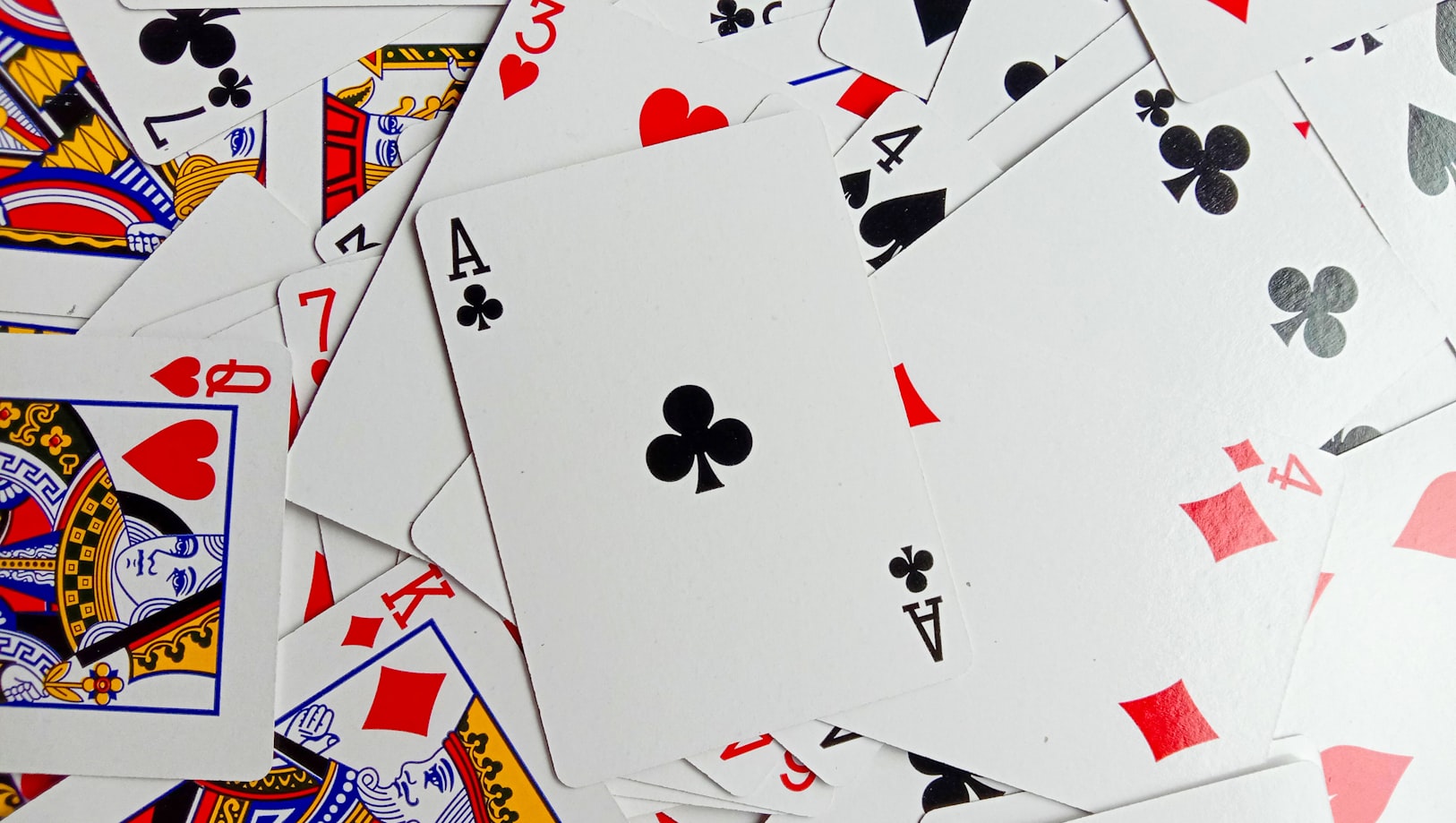
The Middle Ages saw a transformation in the gambling landscape, particularly in Europe. During this period, card games began to gain popularity, leading to the birth of modern gambling as we know it today. The introduction of playing cards, likely from Asia via trade routes, influenced social gatherings, where games like poker and blackjack eventually emerged.
This era also marked the establishment of gambling houses, the precursors to today’s casinos. These establishments were often linked to social elites and became centers of entertainment, highlighting the intersection of gambling with leisure and social status. Such venues laid the groundwork for the gambling culture that would flourish in the Renaissance and beyond.
Modern Era and the Casino Boom
The 18th and 19th centuries witnessed a significant expansion of gambling, with the emergence of casinos in Europe and America. The iconic Monte Carlo Casino opened its doors in 1863, symbolizing the opulence associated with gambling during this era. As industrialization progressed, more individuals had disposable income, and gambling became an accessible form of entertainment for the masses.
This period also introduced regulations and legal frameworks surrounding gambling, aiming to curb cheating and ensure fair play. The introduction of lotteries and betting on horse racing further popularized gambling, making it a mainstream activity that transcended class barriers.
The Digital Revolution and Online Gambling
The late 20th and early 21st centuries marked a radical shift in the gambling landscape with the advent of the internet. Online gambling platforms emerged, allowing players to engage in their favorite games from the comfort of their homes. This digital transformation democratized access to gambling, attracting a younger demographic and changing how people interact with games of chance.
The rise of mobile technology further accelerated this trend, leading to the development of apps that allow users to gamble on the go. However, this shift has also raised concerns about addiction and regulatory challenges, prompting governments worldwide to adapt their approaches to gambling legislation in the digital age.

Connecting with Contemporary Gambling Culture
Today, gambling is a global phenomenon, deeply embedded in various cultures. The modern gambling industry not only thrives on traditional games but also incorporates innovative concepts like esports betting and virtual reality casinos. This evolution reflects broader cultural shifts, including changes in societal attitudes towards risk and entertainment.
As gambling continues to evolve, it remains essential for enthusiasts and newcomers alike to stay informed about industry trends and insights. Our platform serves as a vital resource for timely updates and analyses, helping users navigate the dynamic landscape of gambling with confidence and knowledge.