
Debunking popular gambling myths What you need to know
Understanding the Odds
One of the most pervasive myths in gambling is the belief that certain games are “rigged” to favor the house to an extent that players cannot win. In reality, while it is true that casinos have a built-in advantage in most games, this does not mean that winning is impossible. Understanding the odds can help players make more informed decisions. For example, in blackjack, a player who utilizes optimal strategy can significantly reduce the house edge. Moreover, if you are looking for fast payout betting sites, different platforms offer unique benefits that can affect your overall experience.
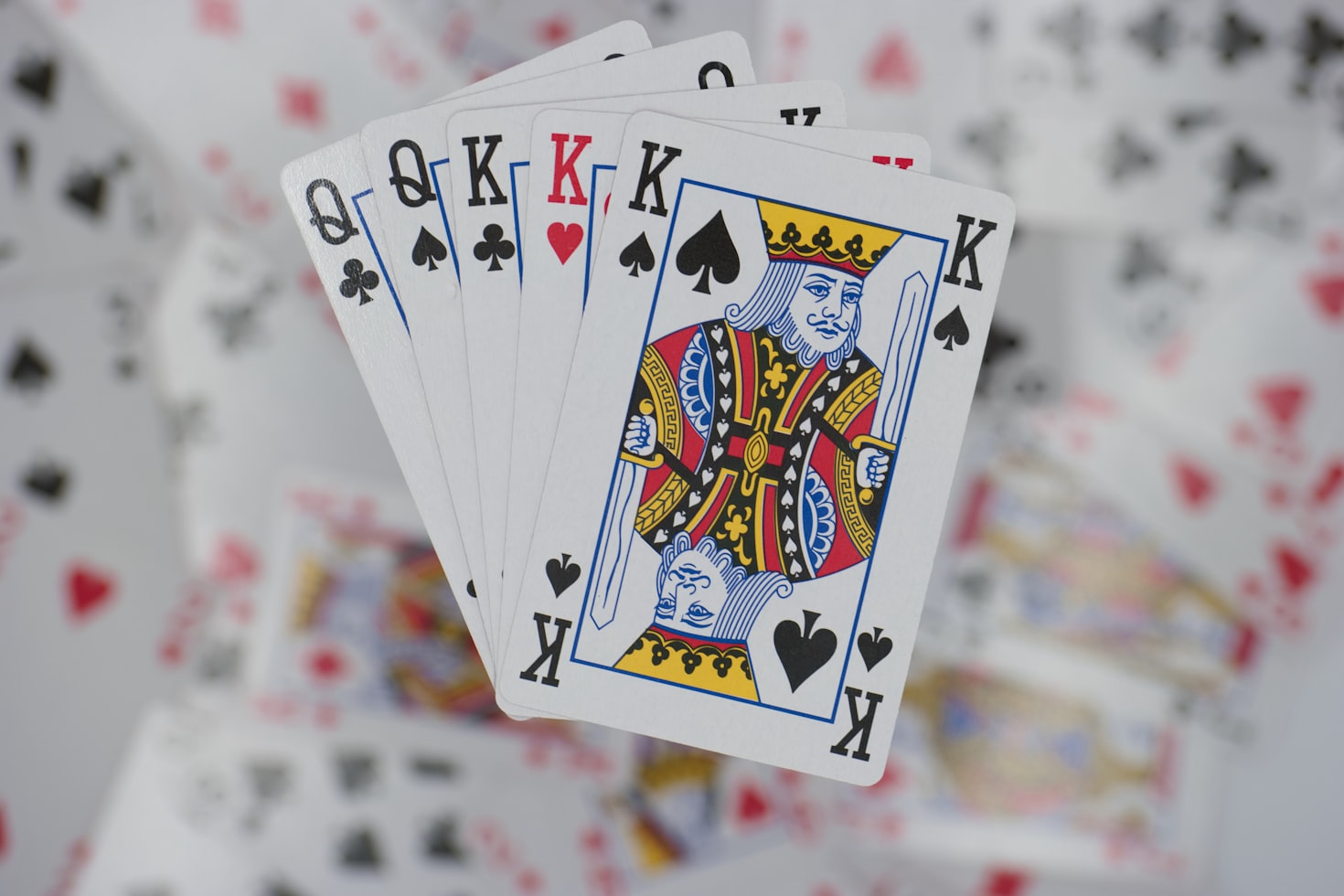
Additionally, different games have varying odds that can affect a player’s chances of winning. Games like poker involve not just luck, but also skill and strategy, where informed decisions can lead to profits over time. It’s crucial to educate oneself on the specific odds related to the games being played, rather than succumbing to the myth that winning is purely a matter of chance.
Many gamblers also believe that they can predict outcomes by analyzing previous results, especially in games like roulette. However, each spin is independent of the last, making this belief flawed. Understanding these aspects of odds will not only enhance a player’s experience but also their potential success in gambling endeavors.
The Luck Factor
Another common myth is the idea that gambling success is purely based on luck. While luck undeniably plays a significant role, it is not the only factor at play. Skill, strategy, and knowledge are vital components that can tip the scales in a player’s favor. For instance, successful poker players spend years honing their skills and learning to read opponents, thereby increasing their chances of winning beyond mere luck.
In games like sports betting, knowledge of the sport, team statistics, and player performance can greatly influence outcomes. This misconception can lead players to engage in reckless behavior, thinking that every bet is a gamble rather than a calculated decision. Therefore, understanding that success often combines skill and informed decision-making can help in developing a more sustainable gambling approach.
Additionally, many gamblers cling to the myth that they can summon luck through rituals or superstitions, such as wearing lucky clothing or carrying charms. While these practices may provide psychological comfort, they do not have any actual influence on the randomness of game outcomes. Acknowledging the role of skill alongside luck can lead to a more strategic and informed gambling experience.
The ‘Hot’ and ‘Cold’ Streaks
Many gamblers subscribe to the belief in “hot” and “cold” streaks, thinking that a winning or losing streak can indicate future outcomes. This is particularly common in slot machines and card games. Players may believe that if a machine has been paying out, it is “hot” and likely to continue doing so, or that a “cold” machine will eventually pay out again. However, this perspective misinterprets the nature of randomness and probability.
All gambling games, especially those governed by random number generators, operate independently of past results. Therefore, one spin does not affect another, and the assumption that a machine or game can be “due” for a win is fundamentally flawed. By recognizing the independence of events, players can make more rational decisions based on current circumstances rather than misconceptions fueled by past outcomes.
This myth often leads players to chase losses, believing that a win is imminent simply because they have lost several times in a row. Such behavior can be detrimental, resulting in greater financial loss. Educating oneself about the odds and mechanics of each game can dispel these myths and foster a healthier relationship with gambling.
Skill vs. Luck in Gambling
The divide between skill-based games and chance-based games is often blurred by myths that exaggerate the role of luck. While some games, such as slots, are purely based on chance, others like poker and blackjack require a significant amount of skill and strategy. This distinction is crucial, as it impacts how players approach their gambling activities.
Many players mistakenly believe that all gambling games operate similarly, leading to unrealistic expectations of winning. Skill-based games can offer opportunities for players to leverage their knowledge and experience, thereby increasing their chances of success. Understanding which games require skill and how to develop those skills is key to improving overall performance in gambling.
Moreover, poker tournaments often showcase the success of skilled players over time, reinforcing the idea that skill can outweigh luck. Conversely, players who engage in purely chance-based games often find their wins to be sporadic at best. Recognizing the types of games one is playing and adapting strategies accordingly can significantly influence long-term success.

Resources for Informed Betting
In a landscape filled with myths, having access to reliable information is essential for making informed decisions in gambling. Various resources are available for both novice and experienced bettors. Websites dedicated to sports betting, for instance, provide valuable insights into odds, betting strategies, and legal considerations. These resources can empower individuals to make better choices and avoid common pitfalls associated with gambling.
Furthermore, understanding legal regulations in your area is crucial for safe and responsible gambling. Many jurisdictions have specific laws and guidelines that govern gambling activities, which can affect the availability of different betting options. Familiarizing oneself with these regulations can help avoid legal issues and ensure a safer gambling experience.
Ultimately, the best approach to gambling involves continuous learning and adapting to new information. Engaging with reputable sources and communities can enhance a gambler’s knowledge and provide a clearer understanding of the industry. By equipping oneself with the right tools and knowledge, individuals can approach gambling with a more informed and strategic mindset, reducing the impact of myths on their decisions.