
The historical evolution of casinos A fascinating journey through time
The Origins of Gambling
The history of gambling can be traced back to ancient civilizations, where the practice was deeply intertwined with societal norms and rituals. In ancient China, for instance, evidence of gambling dates back to around 2300 B.C. with the use of tiles for games of chance. Similarly, the Romans engaged in various betting activities, often placing wagers on gladiatorial contests and chariot races, which laid the groundwork for modern gaming. Today, many players prefer to use the pin up casino app for convenience and accessibility.
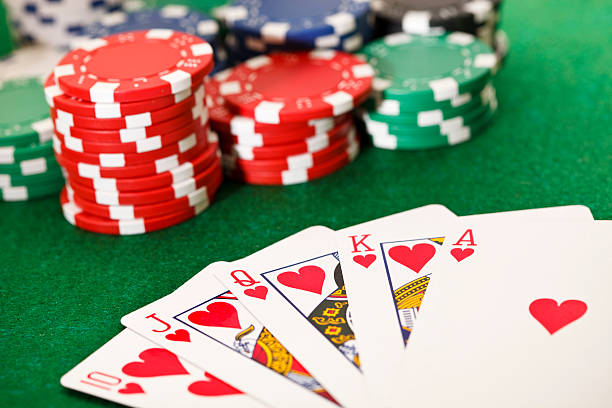
As societies evolved, so did the forms of gambling. Medieval Europe saw the rise of games such as dice and card games, which became increasingly popular among the nobility. This marked the transition from informal gambling in homes and taverns to more organized forms, setting the stage for the establishments that would later be known as casinos.
The Birth of Casinos in Europe
The term “casino” itself is derived from the Italian word “casa,” meaning house. The first official casino, known as the Ridotto, was established in Venice in 1638. It was initially intended to provide a controlled environment for gambling, offering a safe space where patrons could engage in games like faro and poker. This marked a significant turning point, as it introduced the concept of a dedicated venue for gambling.
Throughout the 18th and 19th centuries, casinos began to proliferate across Europe. Cities like Monte Carlo and Baden-Baden became synonymous with luxury and high-stakes gambling, attracting the elite and wealthy from around the world. These establishments not only offered games of chance but also provided entertainment, dining, and social interaction, evolving into multifaceted resorts.
The American Casino Boom
The 20th century saw a dramatic shift in the gambling landscape, particularly with the emergence of casinos in the United States. The first legal casino opened in 1931 in Las Vegas, Nevada, as part of a broader effort to revive the economy during the Great Depression. This moment marked the beginning of Las Vegas as a gambling capital, blending entertainment and gaming in an unprecedented way.
The popularity of casinos skyrocketed during the latter half of the 20th century, with states like New Jersey following suit by legalizing gambling in Atlantic City. This boom was not just about the games; it was also about the experience, leading to extravagant shows and themed resorts that attracted millions of visitors each year.
Modern Trends and Technology in Casinos
As we progressed into the 21st century, the evolution of casinos took a significant turn with the advent of technology. The rise of the internet and mobile devices gave birth to online casinos, allowing players to enjoy their favorite games from the comfort of their homes. This digital revolution not only expanded the reach of gambling but also introduced innovative gaming experiences, such as live dealer games and virtual reality casinos.
Brick-and-mortar casinos have also adapted to these changes, incorporating advanced technology to enhance customer experiences. From sophisticated slot machines to mobile apps that allow for cashless transactions, modern casinos are blending traditional gaming with cutting-edge technology, appealing to a new generation of gamblers.

Exploring Our Website
Our website offers a comprehensive look at the history and evolution of casinos, diving deep into the fascinating journey from ancient games of chance to the modern entertainment hubs we know today. With articles that explore various aspects of gambling culture and trends, we aim to provide valuable insights for both enthusiasts and casual readers alike.
As you navigate through our content, you will discover rich narratives and analyses that shed light on how casinos have shaped social landscapes and economies around the world. Join us in exploring this captivating journey through time, as we uncover the stories behind the games that have entertained countless generations.